
– Tour overview
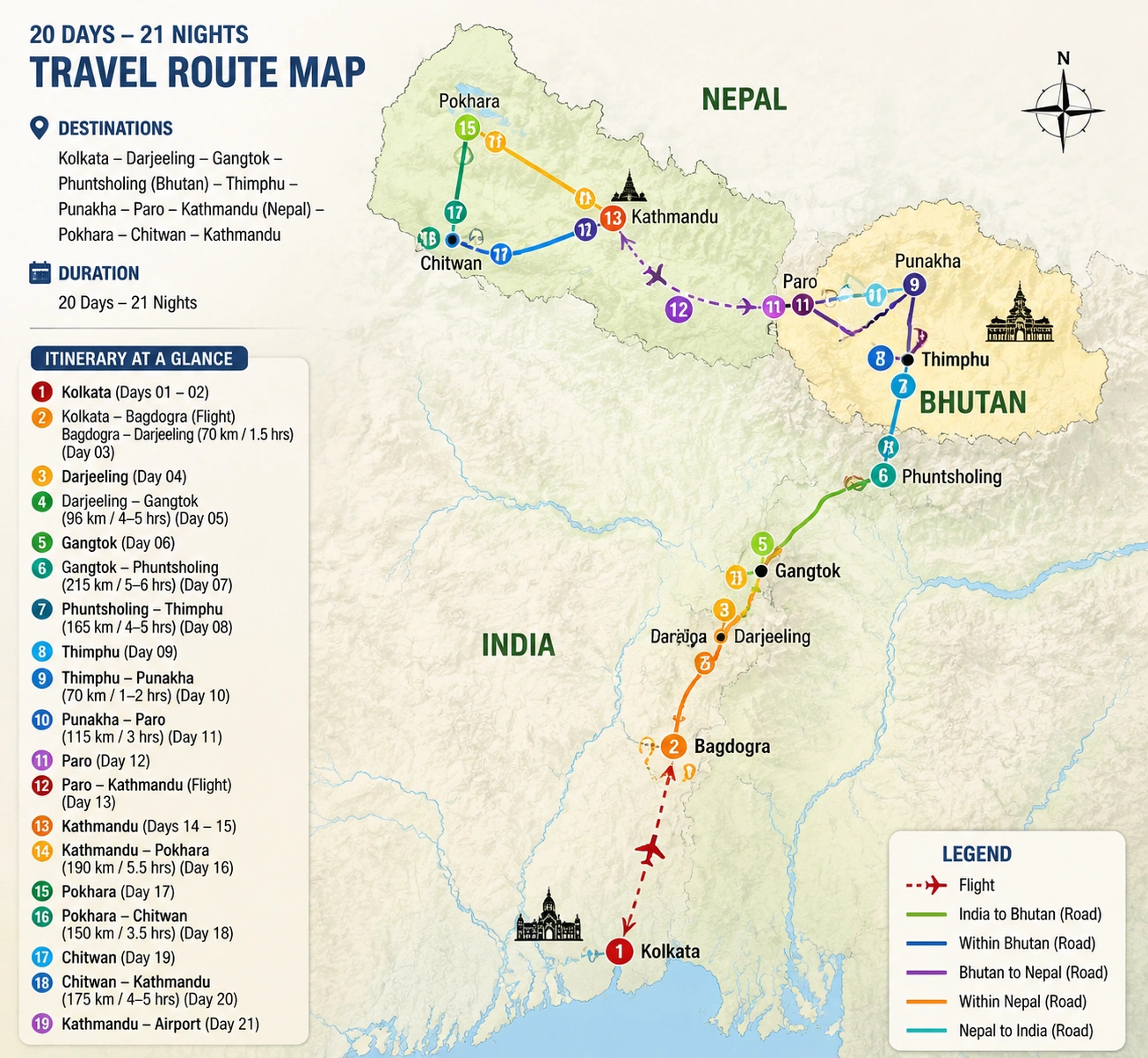
Twenty days across three Himalayan kingdoms
This is one of the most ambitious and rewarding circuits in the eastern Himalayan world — a journey that crosses three countries, shifts between five distinct cultural zones, and ascends from Kolkata's colonial grandeur at sea level to the dzong fortresses of Bhutan at over 3,000 metres. No two days feel the same, and that is entirely the point.
The route begins in Kolkata — the intellectual and artistic capital of India — before climbing into the tea hills of Darjeeling and the Buddhist monasteries of Sikkim's Gangtok. From there, the border crossing into Bhutan opens a country that has deliberately protected itself from mass tourism, where ancient traditions remain alive in the architecture, festivals, and daily life. Thimphu, Punakha, and the cliff-hanging Tiger's Nest at Paro form the arc of Bhutan before a flight carries you into Nepal.
Nepal brings the living heritage of Kathmandu's Durbar Squares, the Himalayan panorama from Pokhara's Sarangkot ridge, and a final immersion in the jungle wildlife of Chitwan before the journey ends where Nepal began — back in Kathmandu.
Complete itinerary
Arrival in the former capital of India • Free time in Kolkata
Arrive at Kolkata airport. Meet and greet upon arrival to your Local Guide and you will be transferred to the hotel. Kolkata, formerly known as Calcutta, served as the capital of British India from 1772 until 1911. It was a significant city during the British colonial period, known for its growth in commerce, industry, and culture. The capital was later moved to Delhi in 1911, marking a shift in the political landscape of India. Kolkata's history reflects its role as a major urban center and its contributions to the Indian subcontinent. Stay overnight at the hotel.
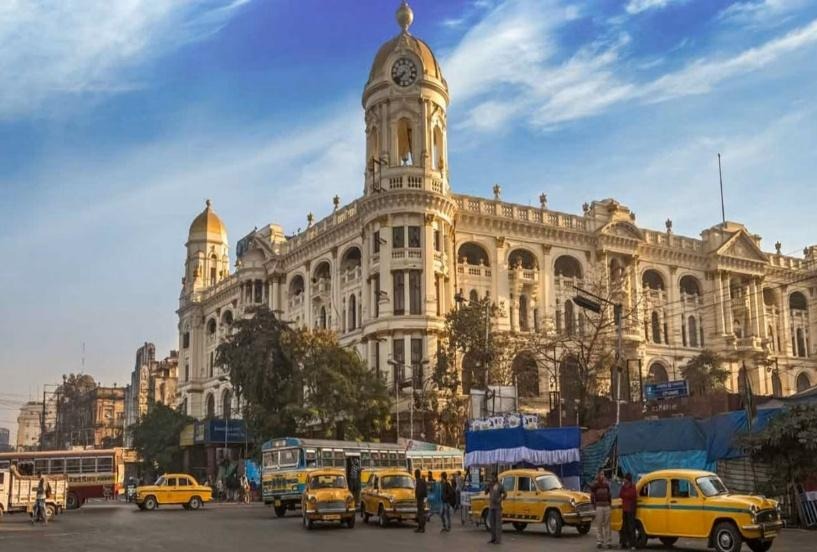
2 Nights in Kolkata
Victoria Memorial • Drive Past Important Colonial Landmarks • Mother House • Dakshineswar Kali Temple
Morning after breakfast at the hotel proceed for a guided full-day city tour of Kolkata, a city renowned for its rich colonial heritage, culture, and intellectual legacy. Visit the magnificent Victoria Memorial, an iconic white marble monument built during the British era and surrounded by beautifully landscaped gardens. Continue to St. Paul’s Cathedral, an impressive example of Indo-Gothic architecture and the principal Anglican cathedral of the city.
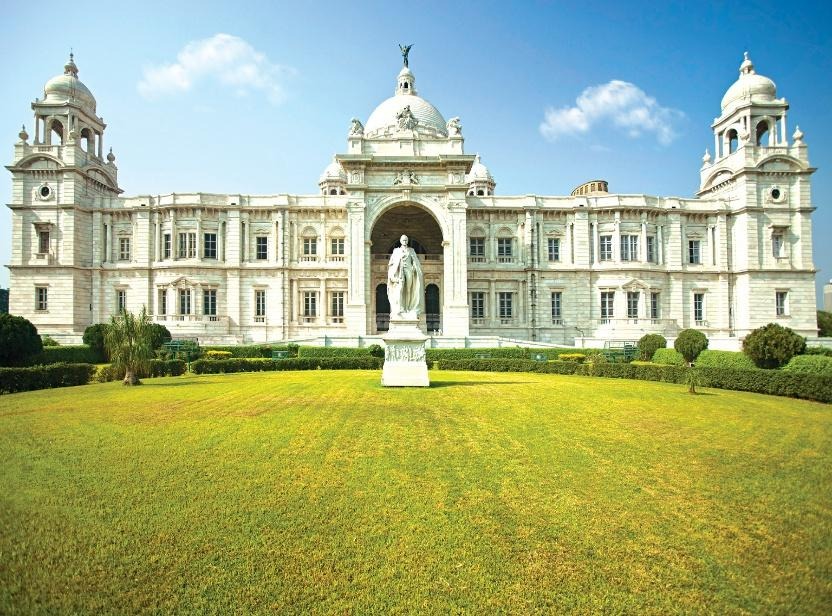
Later, enjoy a panoramic Drive Past through Raj Bhavan, the former residence of the British Viceroy and Dalhousie Square, the historic administrative heart of Kolkata featuring grand colonial buildings. Drive over the legendary Howrah Bridge, one of the busiest cantilever bridges in the world, offering a glimpse into the city’s vibrant daily life.
Proceed to Mother Teresa’s House (Missionaries of Charity) a place of deep spiritual significance where visitors can learn about the life and humanitarian work of the Nobel Peace Prize laureate and later visit the Dakshineswar Kali Temple. Itis a prominent 19th-century Hindu temple complex. Dedicated to goddess Bhavatarini Kali, a form of Kali, it is renowned for its association with the mystic saint Ramakrishna Paramahamsa and remains a major pilgrimage and cultural landmark of Bengal.Return to the hotel in the evening. Overnight stay at the hotel in Kolkata.
Morning after breakfast, transfer to the airport to board a flight for Bagdogra. Meet upon arrival at Bagdogra airport & you drive along steep mountain passes into the Darjeeling Tea region, an area renowned for its tea plantations. Along the way, you gain your first impressions of the beautiful, secluded landscape and catch frequent glimpses of the countless, evergreen tea fields and visit the Local market in the evening. Overnight Stay in a Hotel.
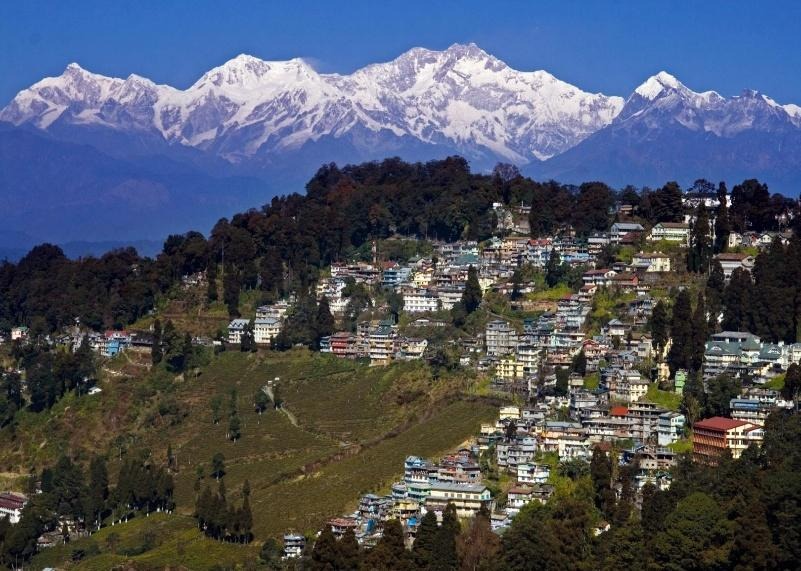
2 Nights in Darjeeling.
(Driving distance: approx. 70 kms; Driving time: approx. 1.5 hours)
Sunrise at Tiger Hill • Temple Visit • Toy Train (UNESCO World Heritage Site) • Tea Plantation • Himalayan Mountaineering Institute Museum • Padmaja Naidu Himalayan Zoological Park • Dali Monastery (Optional if time allows)
Early in the morning—long before the sun has risen—you can drive to the Tiger Hill viewpoint. Even if getting out of bed isn't exactly easy, you simply shouldn't miss the sunrise over the Kanchenjunga massif! A unique and unforgettable experience awaits you as the sun paints the snow-capped peaks of the eight-thousanders a fiery red. Weather permitting, you may even catch a glimpse of Mount Everest and then driveback to the hotel and after a hearty breakfast and a short break get ready for your Sightseeing.
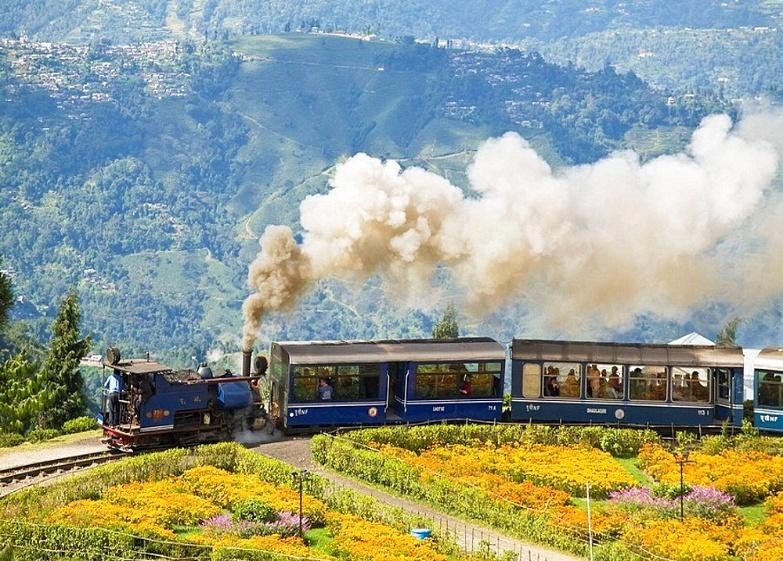
The Day will start with Shri Mahakal Temple, It is a revered Hindu pilgrimage site dedicated primarily to Lord Shiva. Situated atop Observatory Hill, the temple is distinguished for embodying both Hindu and Buddhist spiritual traditions, symbolizing Darjeeling’s cultural harmony and religious coexistence. Afterward, another highlight awaits: a ride on the historic, steam-powered narrow-gauge railway—the so-called "Toy Train" (a UNESCO World Heritage Site). During the journey, you will travel through the picturesque landscapes of Darjeeling, passing tea fields, small villages, and monasteries. At the final stop, you can pay a brief visit to the charming railway museum. On the return journey, take the opportunity to visit the nearby Tibetan monastery of Ghoom if time allows.
In the afternoon, you will visit one of the many tea plantations in the area to gain insights into the tea production process. Subsequently, the itinerary includes a visit to the Mountaineering Museum at the Himalayan Mountaineering Institute, which is situated within a Zoo. Here, you will have the opportunity to see the rare Bengal tiger and the snow leopard. The evening is at your leisure. If Time allows, visit Dali Monastery. It is also known as Druk Thupten Sangag Choeling Monastery, is a major Tibetan Buddhist.
Overnight stay at Hotel in Darjeeling.
Rumtek Monastery • MG Road
Morning after breakfast drive to Gangtok enroute visit Rumtek Monastery also called the Dharmachakra Centre. It is a focal point for the sectarian tensions within the Karma Kagyu school of Tibetan Buddhism that characterize the Karmapa controversy. Upon arrival check-in at the hotel. Afterward we will go to MG Marg, or Mahatma Gandhi Marg, which is the most famous street in Gangtok. This Road is lined up with glittering Shops, restaurants, shops and bars on both sides of the Road. Overnight Stay at Hotel.
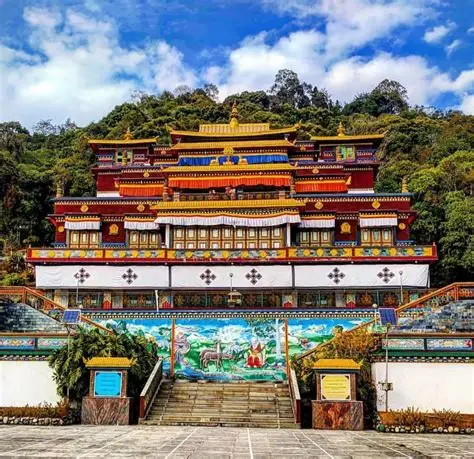
2 Nights in Gangtok.
(Driving distance: approx. 96 kms; Driving time: approx. 4-5 hours)
Tashi View Point • Enchey Monastery • Namgyal Institute of Tibetology
Morning after breakfast, proceed to the city tour of Gangtok and first visit Tashi View Point, as it is a popular scenic lookout located on a hilltop. It offers sweeping views of the Eastern Himalayas, including the snow-capped peaks of Kanchenjunga and other ranges and later headed towards the Enchey Monastery was established in 1909. It belongs to the Nyingma order of Vajrayana Buddhism. Later visit Namgyal Instituteof Tibetology. The foundation stone of the Institute was laid by the 14th Dalai Lama on 10 February 1957 and it was opened officially by the Prime Minister of India Pandit Jawaharlal Nehru on 1 October 1958. Rest of the day at leisure in Gangtok or explore the local MG Road market again in Gangtok. Stay overnight at the hotel.
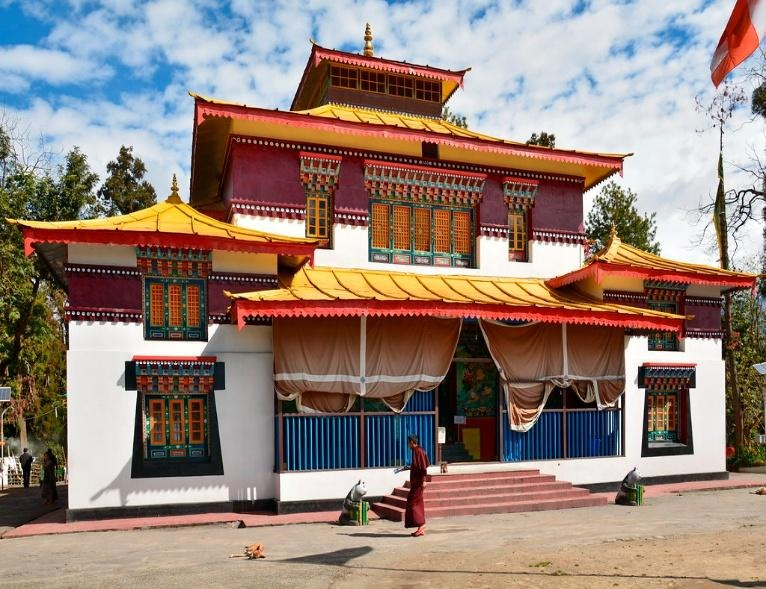
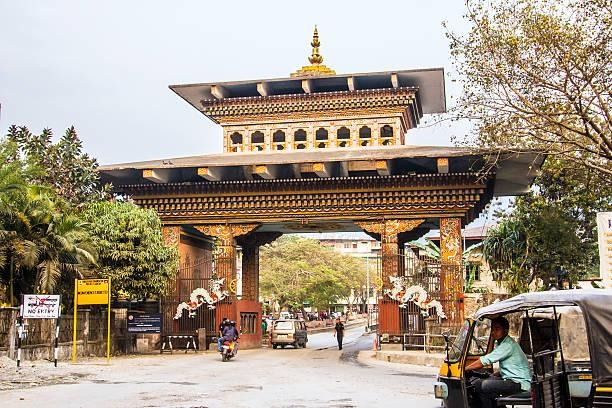
Bhutan Gate • Zangtho Pelri Lhakhang • Local Market Walk
Morning after breakfast drive to Phuntsholing (India & Bhutan border). After crossing the last Town of India ,,Jaigaon’’ and entering the first Town of Bhutan ,,Phuntsholing’’. It serves as Bhutan’s principal gateway to India, linking the Himalayan kingdom with the bustling plains of West Bengal through the neighboring Indian town of Jaigaon. After the immigration & custom formalities at the border meet your Local Bhutanese tour guide. There you will see BhutanGate. It is an iconic ceremonial gateway marking the border between the town of Phuntsholing and the Indian town of Jaigaon. Serving as Bhutan’s southernmost entry point, it symbolizes the transition from the bustling Indian plains to Bhutan’s serene, mountainous landscape and distinct cultural identity. After the immigration & custom formalities at the border meet by Local Bhutanese local tour guide & transfer to hotel for check-in.
Evening visit Zangtho Pelri Lhakhang, this small temple built in the centre of Phuentsholing town represents the heaven of Guru Rimpoche. Later take a stroll around Town’s Market area. Overnight at the hotel
1 Night in Phuntsholing
(Driving distance: approx. 215 kms; Driving time: approx. 5-6 hours)
Karbandi Monastery • Clock Tower Square
Morning after early breakfast drive to Thimphu.This is the most important transition in your Bhutan journey because you move from the warm border town of Phuntsholing into the Himalayan capital city of Thimphu.The route is scenic, winding, and filled with mountain landscapes, waterfalls, monasteries, and viewpoints.
En route visit Kharbandi Gompa.Karbandi Monastery, also known as Rinchending Goempa, is a Buddhist temple complex. Upon arrival Thimohu check-in at the hotel.
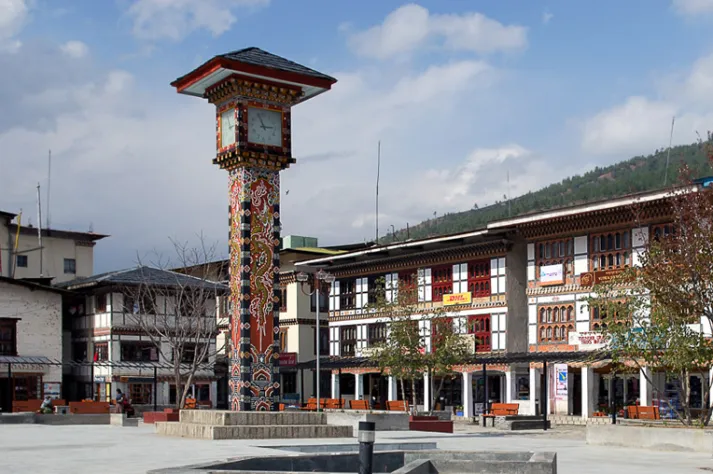
In the evening you will stroll to the market and visit Clock Tower Square.
It is a central public plaza in Thimphu, known for its intricately decorated clock tower that blends traditional Bhutanese craftsmanship with modern urban design. It serves as a social, cultural, and architectural focal point of Bhutan’s capital, symbolizing both national heritage and contemporary civic life. Overnight at the hotel.
2 Night in Thimphu.
(Driving distance: approx. 165 kms; Driving time: approx. 4-5 hours)
Folk Heritage Museum • National Institute for Zorig Chusum • Memorial Chorten • Buddha Dordenma • Tashichho Dzong
After breakfast, proceed for a tour of some of city’s main highlights:
Folk Heritage Museum: The Museum is dedicated to connecting people with the rich Bhutanese Folk heritage and rural history through exhibits, demonstrations, educational programs and documentation of Bhutanese rural life.
Institute for Zorig Chusum: Commonly known as Arts & Crafts School or Painting School, the Institute offers a six-year course on the 13 traditional arts and crafts of Bhutan. On a visit, one can see students learning the various skills taught at the school.
Memorial Chorten: The stupa built in the memory of Bhutan's third King, His Late Majesty, King Jigme Dorji Wangchuk, who is popularly regarded as Father of modern Bhutan. The paintings and statues inside the monument provide a deep insight into Buddhist philosophy.
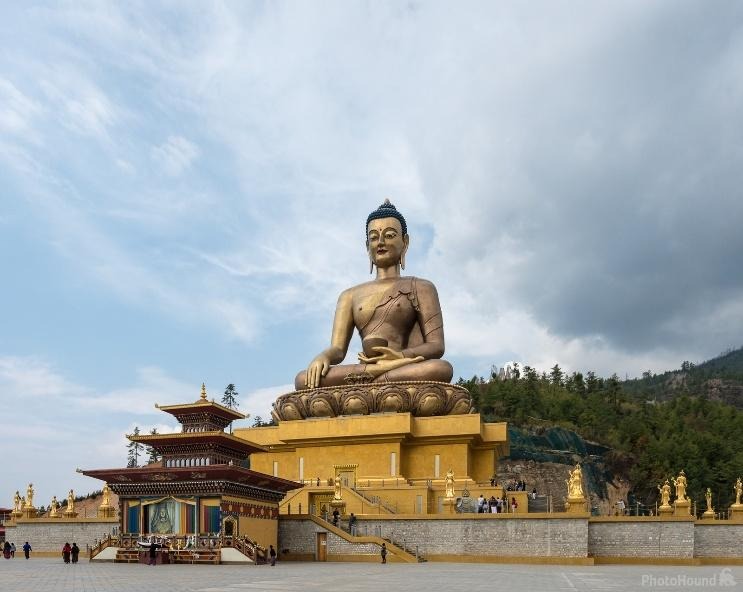
Buddha Point (Kuensel Phodrang): Located at a short drive from Thimphu city centre, visitors can get a good overview of the Thimphu valley from the Buddha point (Kuensel Phodrang). You can pay your obeisance and offer prayers to the Buddha, the largest statue in the country and then walk around and take a glimpse of the valley.
Conclude the tour of the day with a visit of Tashichho Dzong, “fortress of the glorious religion”. This is the center of government and religion, site of monarch’s throne room and seat of Je Khenpo or Chief Abbot. Built in 1641 by the political and religious unifier of Bhutan, Shabdrung Ngawang Namgyal, it was reconstructed in the 1960s in traditional Bhutanese manner, without nails or architectural plans. Overnight at the hotel in Thimphu.
Dochula Pass • Druk Wangyal • Punakha Dzong • Chimi Lhakhang (Fertility Temple)
After breakfast, drive up to Dochula pass (3,088m/ 10,130 ft) stopping briefly here to take in the view and admire the chorten, mani wall, and prayer flags which decorate the highest point on the road.
At Dochula Pass, 108 chortens or stupas known as Druk Wangyal Chortens have been built by Ashi Dorji Wangmo Wangchuk, the eldest Queen Mother. These chortens are built in three layers, the first lowest level layer has forty-five chortens, the second has thirty-six and the top layer has twenty-seven, built around the main chorten.
Later drive onward to Punakha.
Punakha served as the capital of Bhutan and seat of government until 1955 and still it is the winter seat of Je Khenpo (the chief abbot). Blessed with temperate climate and owing to its natural drainage from Pho Chhu (male) and Mo Chhu (female) rivers, the fertile Punakha valley produces abundant crops and fruits. Located at an elevation of 1300m above sea level, Punakha enjoys mild winters and is a popular year-round destination.
After lunch, visit Punakha Dzong or (Palace of Great Happiness), built at the junction of the Phochu and Mochu rivers in 1637 by Shabdrung Ngawang Namgyal. This majestic Dzong served as both the religious and the administrative centre of Bhutan in the past. It measures some 600 by 240 feet and has a six-story, gold-domed tower. Inside are courtyards and religious statuary that hint at the depth of history and spiritual tradition embodied here. Your guide will illuminate your understanding of this intricate culture that is exotic to us, though long established here.
Then a short excursion to Chimi Lhakhang.
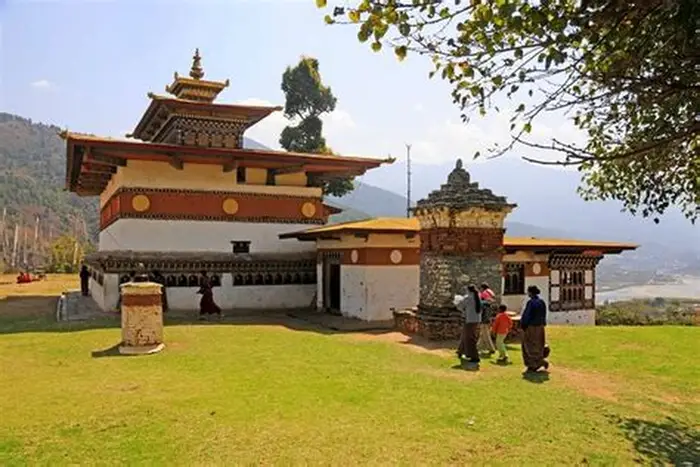
The Chimi Lhakhang (Fertility Temple), situated on a hillock in the centre of the valley, also known as the temple of fertility. It is widely believed that couples who do not have children and want one, if they pray at this temple, they are usually blessed with a child very soon. The trail leads across rice fields to the tiny settlement of Pana, meaning ‘field’. A walk through the village near the temple will give you rare glimpses into the daily life and lifestyle of the villagers.
Evening explore newly developed Wangdue town and its local market. Overnight at the hotel
1 Night in Punakha.
(Driving distance: approx. 70 kms; Driving time: approx. 1-2 hours)
Ta Dzong • Rinpung Dzong • Market Visit
After breakfast, drive to Paro along the scenic highway. On arrival in Paro, check into the hotel.
The beautiful valley of Paro encapsulates within itself a rich culture, scenic beauty and hundreds of myths and legends. It is home to many of Bhutan’s oldest temples and monasteries, National Museum and country’s only international airport, Mount Chomolhari (7,314m) reigns in white glory at the northern end of the valley and its glacial water plunge through deep gorges to form Pa Chhu (Paro River). Paro is also one of the most fertile valleys in the Kingdom producing a bulk of the locally famous red rice from its terraced fields.
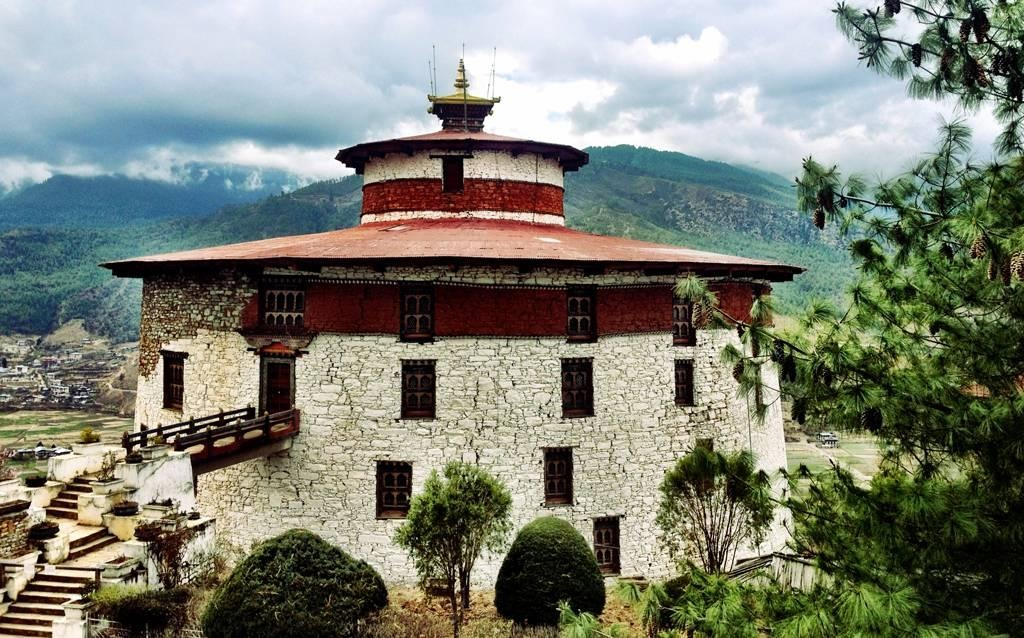
Post lunch, proceed to visit Ta Dzong, originally built as Watchtower, which now houses the National Museum. The extensive collection includes antique thangkha paintings, textiles, weapons & armour, household objects and a rich assortment of natural and historic artifacts.
After Ta Dzong visit immediately followed by a short walk down the trail to visit Rinpung Dzong (Paro Dzong), meaning (“fortress of the heap of jewels”), which has a long and fascinating history. Along the wooden galleries lining the inner courtyard are fine wall paintings illustrating Buddhist lore such as four friends, the old man of long life, the wheel of life, scenes from the life of Milarepa, Mount. Sumeruandcosmic Mandala.
Evening explore Paro city centre and market area. Overnight at the hotel.
2 Nights in Paro.
(Driving distance: approx. 115 kms; Driving time: approx. 3 hours)
Paro Taktsang • Drukgyel Dzong
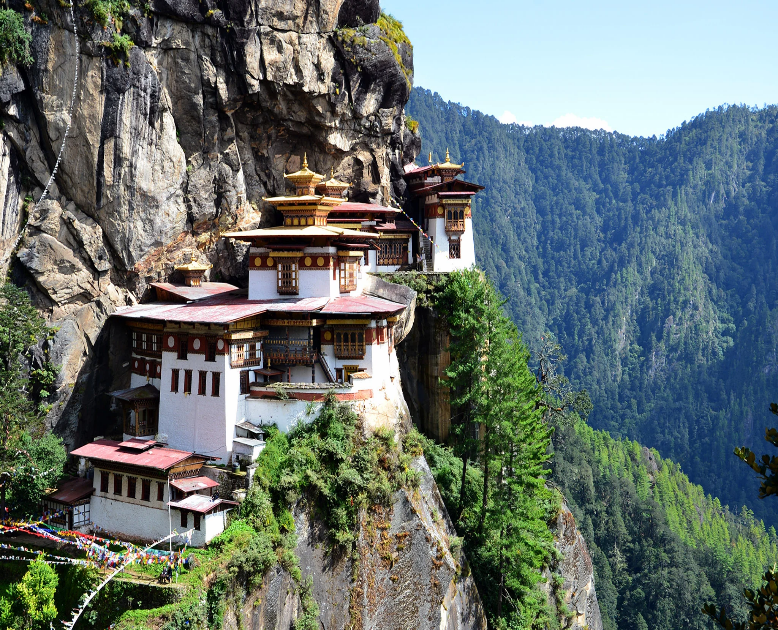
Morning after breakfast the morning is reserved to visit Taktsang Monastery, one of the fabulous locations in the known world. The Taktsang Monastery is one of the most famous of Bhutan’s monasteries, perched on the side of a cliff 900m above the Paro valley floor.Reached only by foot or pony, the 4–5 km trail winds through pine forests festooned with prayer flags and offers panoramic valley views. The midpoint café provides rest and refreshments before the final approach across a gorge and waterfall. The hike typically takes five to seven hours round trip and is considered moderately strenuous due to altitude and incline. Afternoon drive to Drukgyel Dzong, a ruined fortress where Bhutanese warriors fought Tibetan invaders centuries ago. Overnight at the hotel in Paro.
Arrival in the capital of Nepal • Free time in Kathmandu
Morning after breakfast, transfer to the airport to connect the flight to Kathmandu. Meet upon arrival at Kathmandu airport to your local guide and a short transfer takes you to our hotel. After checking in and freshening up. Please enjoy the free day in the land of Himalayas, it’s a place where spirituality, nature, and culture blend seamlessly—offering serene monasteries, vibrant festivals, and breathtaking landscapes that make every journey feel both adventurous and deeply peaceful. There you have free time to explore the market on your own. Overnight stay at a hotel.
3 Nights in Kathmandu
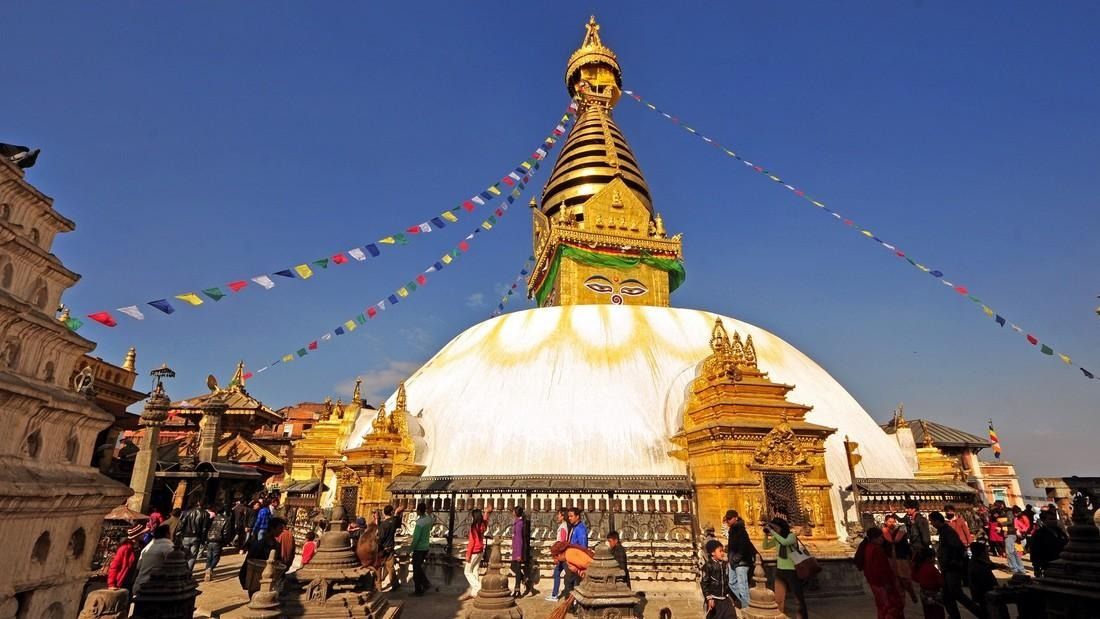
Swayambhunath Stupa • Kathmandu Durbar Square & Patan Durbar Square • Healing/Singing Bowl Therapy session
After breakfast, you will visit the iconic Swayambhunath Stupa, also known as the Monkey Temple due to the large population of monkeys inhabiting the area; it holds significant religious and cultural importance for Buddhists. The stupa is adorned with colorful prayer flags, intricate carvings, and numerous small shrines. Visitors can ascend the steep staircases to reach the main stupa, where they can enjoy panoramic views of Kathmandu Valley.
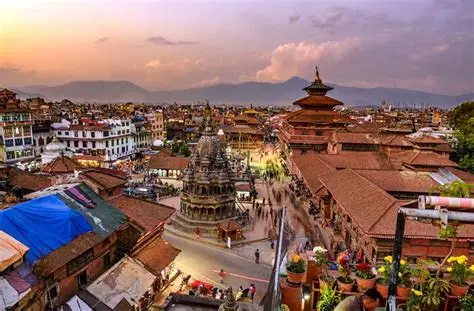
Following this, you will delve into the historical treasures of Kathmandu Durbar Square, including Hanuman Dhoka, Parvati and Mahadev temple, Kumari Palace, Taleju temple, and more. Kathmandu Durbar Square, situated in the heart of Kathmandu, is a UNESCO World Heritage Site renowned for its stunning architecture, palaces, temples, and courtyards. It was once the royal palace of the Malla and Shah kings of Nepal. The square is a bustling hub of activity, with locals and tourists alike wandering amidst the intricately carved wooden buildings, ancient temples, and statues. It's a vibrant showcase of Nepalese art, culture, and history.
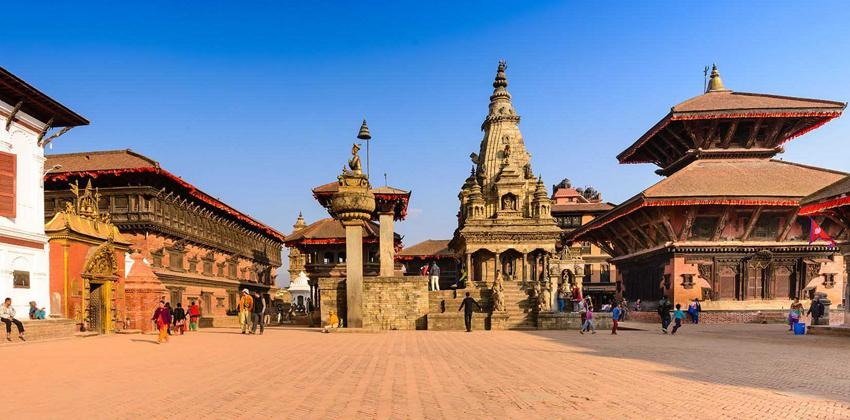
At last visit Patan Durbar Square, a UNESCO World Heritage Site renowned for its exquisite Newari architecture. This historic square is a treasure trove of temples, statues, and courtyards, each narrating tales of Nepal’s rich history and artistic heritage. Highlights of your visit include the Krishna Mandir, an iconic temple constructed entirely of stone, and the Golden Temple (Hiranya Varna Mahavihar), a beautiful 12th-century Buddhist monastery. Next, visit Patan Museum, housed in an ancient palace, showcasing traditional art and artifacts
Embark on a harmonious journey as you delve into the art of singing bowls through our immersive Singing Bowl class. Led by our skilled instructor, this class offers a unique blend of mindfulness and sonic therapy. Discover the ancient techniques of playing singing bowls, creating resonant tones that promote relaxation and inner balance. Our experienced guide will provide hands-on instruction, teaching you the various techniques to produce enchanting sounds. Immerse yourself in the meditative atmosphere, allowing the soothing vibrations to resonate through your being. Whether you're a novice or seeking to deepen your practice, our singing bowl class provides a serene space for personal growth and sonic exploration.
Overnight stay at a hotel in Kathmandu.
Pashupatinath Temple • Boudhanath Stupa • Interact with monks & Bhaktapur Durbar Square
After breakfast, visit Pashupatinath Temple, with its astonishing architectural beauty, stands as a symbol of faith, religion, culture and tradition. Pashupatinath is regarded as one of the most sacred temples of Hindu Lord Shiva in the world and its existence dates back to 400 A.D. The richly-ornamented pagoda houses the sacred linga or phallic symbol of Lord Shiva. Thousands of pilgrims from all over the world come to pay homage to this temple that is also known as 'The Temple of Living Beings'. Only the Hindus are allowed to go inside the temple.
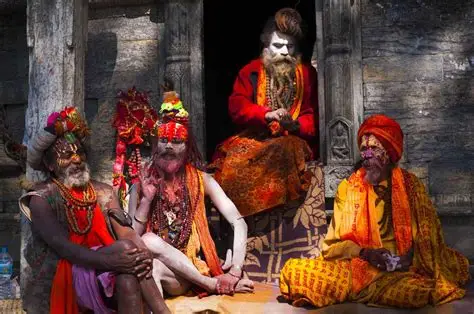
Participate in a Blessing with Sadhus (holy men):
The Sadhus, with their vibrant attire and spiritual aura, offer blessings using Rudrakshi, symbolizing divine protection. It is a serene moment of spiritual connection and peace.
Next you will visit Boudhanath Stupa, the largest stupa in the Valley and one of the largest in the world. It looms 36 meters high and presents one of the most fascinating specimens of stupa design with hundreds of prayer wheels and 108 small images of Buddha all around. The stupa has four sides with the watchful eyes of Lord Buddha. All the Buddhists throng to this stupa to take part in the sacred rituals during the Buddhist festivals.
Take time to interact with the monks at Boudhanath, engaging in enlightening conversations about Buddhist practices, meditation, and their daily lives. Gain insights into the profound spiritual significance of this iconic site and partake in spinning the prayer wheels or lighting butter lamps.
Lastly visit Bhaktapur, an ancient city renowned for its well-preserved medieval architecture, temples, and courtyards. Wander through the narrow alleys of Bhaktapur Durbar Square, admiring the intricately carved wooden structures and traditional Newari craftsmanship. It is an open museum holding exciting palaces, courtyards, royal baths, sculptures, pagodas, Shikhara style temples and Buddhist monastery along with exclusive architecture. In other words, this is the most beautiful Durbar you visit in your Nepal tours. Overnight stay at a hotel in Kathmandu.
Explore Lakeside Market & Café Street
Morning after breakfast drive to Pokhara. This is one of Nepal’s most scenic highway journeys with rivers, hills, cafés, temples and Himalayan views.
Upon arrival check-in at the hotel, take some rest and in the evening explore the Lakeside Area, as it is the heart of Pokhara nightlife. Stay overnight at the hotel.
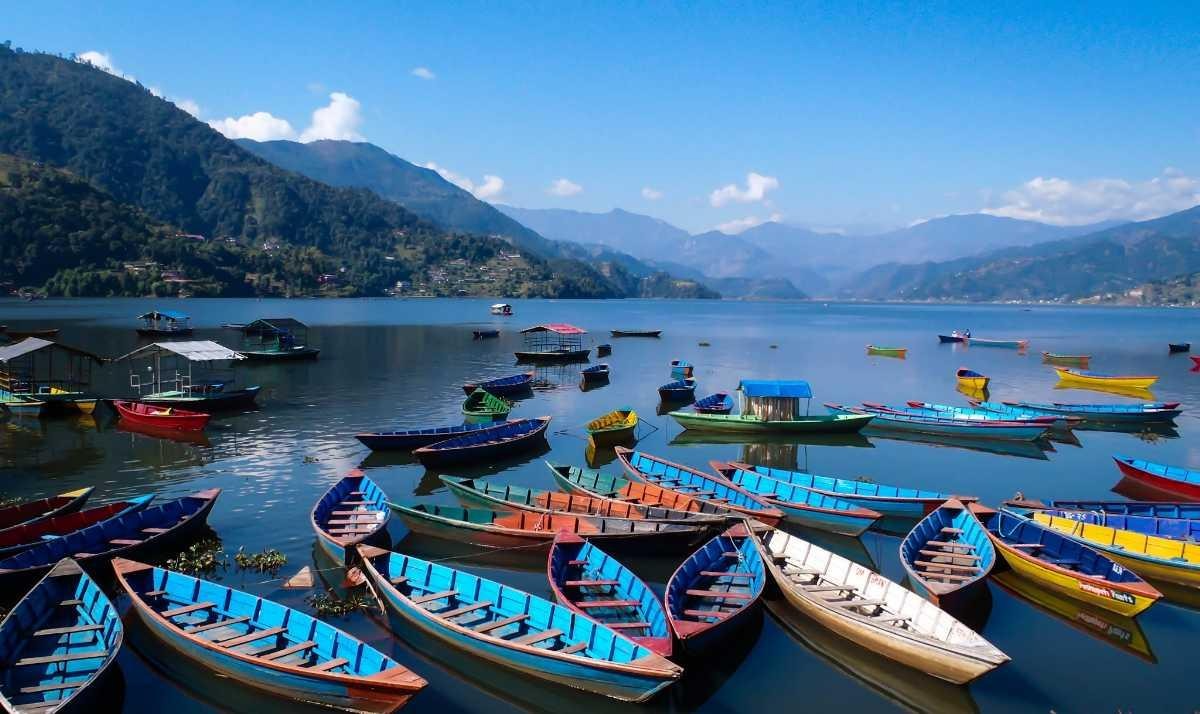
2 Nights in Pokhra
(Driving distance: approx. 190 kms; Driving time: approx. 5.5 hours)
Boat Ride • Sarangkot View Point • Devi's Fall • Gupteshwor Mahadev Cave • Bindhyabasini Temple
Morning after breakfast full day sightseeing tour of Pokhara city including Boat Ride at Phewa Lake. The second largest lake in Nepal, offers an excellent view of the mountains and their reflections on the lake.
Later head towards Sarangkot. Conveniently perched high on the top of a ridge at 1,592m., the serene hill resort offers the spectacular panorama of the entire Annapurna range stretching from east to west and the un-spoilt rural settlements just below those towering peaks. Viewing 700m down from the top of Sarangkot you can have awesome sights of the stretching Pokhara Valley, Phewa Lake and many more.
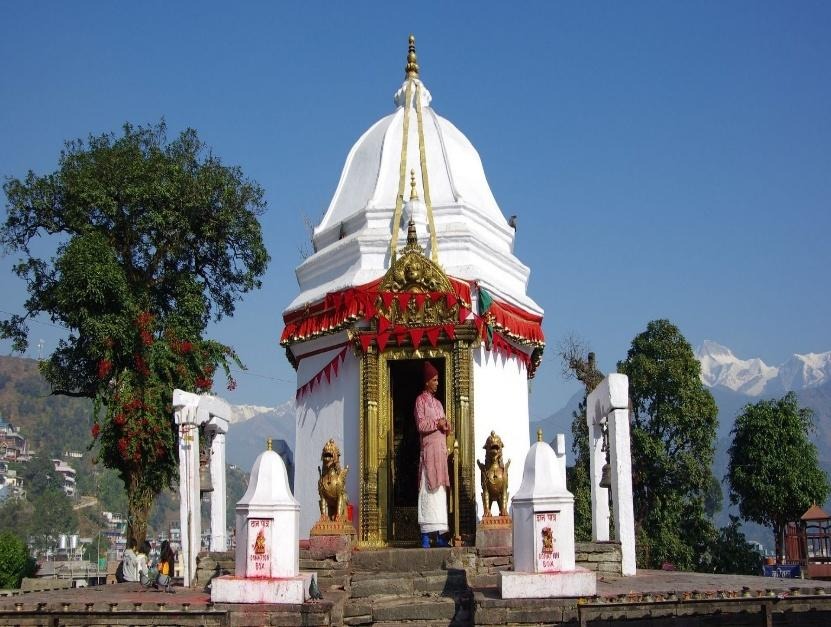
After your Boat Ride you will drive to Devi’s Fall and witness a unique waterfall that lies 2 Km from central Pokhara City. The waterfall directly goes into a deep and narrow canal with no ends. It is believed that this deadly waterfall took the life of a tourist named David, who fell down into the canal and was never found, and hence the name David waterfall, named in his memory by the people of Pokhara. This place has many nicknames like Davy's fall, David's fall or Davis's fall, all mean the same thing `The Davis Water Fall' later visit Gupteswor Mahadev Cave: It is one of the longest caves in Nepal. On the way to the cave, there are shining stones seen everywhere and in the temple is a big stone that looks like a snake's head and tortoise which is considered as the image of the lord Shiva. The second part is very beautiful and you see shining stones and different types of rocks like bee hives.
Bindebashini Temple: This is one of the oldest temples in Pokhara. Legend says that when Pokhara was a part of Kaski Kingdom, the main deity of the temple, Goddess Durga, was brought from India. Apart from the peace and tranquility that can be felt in this region, the premises of the temple offers a good view of the Himalaya on a clear day. The temple is in the area of the Bazaar; hence, a journey of the old bazaar can be combined with a visit to the temple. Stay overnight at the hotel.
Tharu Cultural Dance
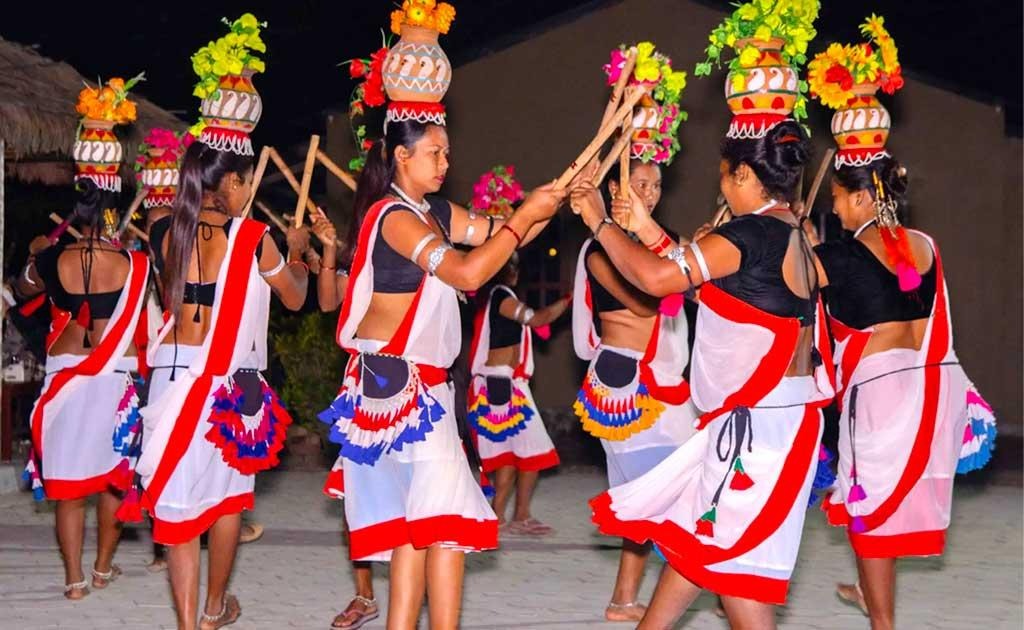
Morning after breakfast drive to Chitwan. Upon arrival check-in at the jungle lodge. In the afternoon, you will begin your jungle activities. You have the opportunity to visit a local village and learn about the traditional lifestyle of the Tharu people. In the evening, you will attend a cultural performance featuring traditional Tharu music and dance.
Tharu Cultural Dance
You will be able to enjoy the local Tharus from the village showcasing their traditional Tharu stick dance. The dance is an age-old tradition of the Tharus and is usually performed to appease the gods during religious festivals. Overnight stay at a hotel.
2 Night in Chitwan
(Distance: approx. 150 kms; Driving time: approx. 3.5 hours)
Canoe Safari•Bird Watching • Jeep Safari
Full Day Engage in Various Jungle Activities.
After breakfast, you will continue your jungle adventure with a full day of activities. You will go on a canoe ride down the Rapti River, where you can observe various species of birds, crocodiles, and other wildlife. You will also have the opportunity to go on a jeep safari to explore the jungle and see animals such as one-horned rhinoceroses, Bengal tigers, and sloth bears.
Canoe Safari: A canoe ride is an excellent way to enjoy the unique ecosystem around the rivers and floodplains. Mugger crocodiles and Gharials basking on banks, storks, ducks, kingfishers along with otters, turtles and if lucky, even a fishing cat, are some of the creatures to watch out for. The comfortable wooden oar boats glide noiselessly, maneuvered by expert oarsmen while naturalists explain the world around the water. The boats are equipped with life jackets and the boatmen are expert swimmers who also act as lifeguards.
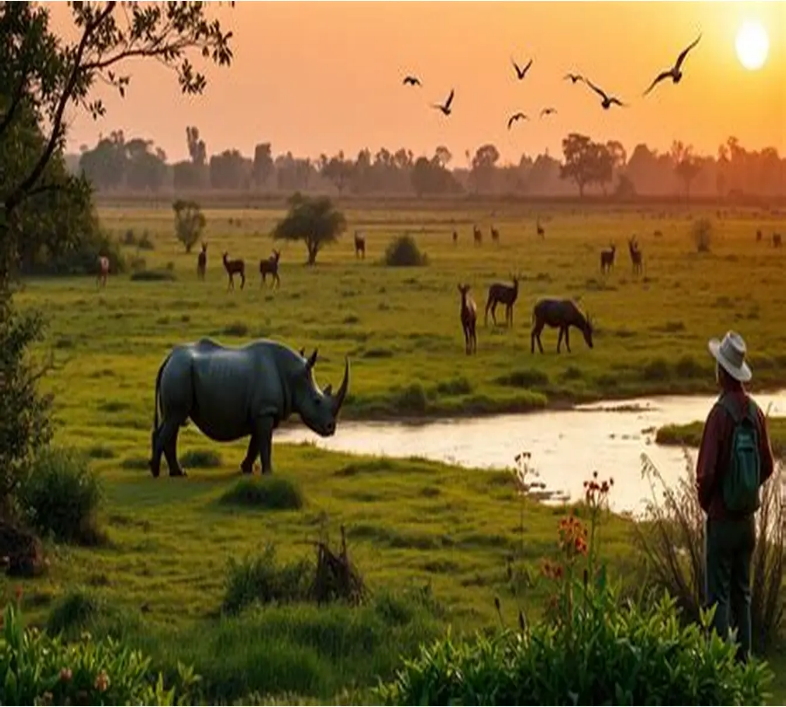
Bird Watching: Chitwan is rightly considered a bird watcher's paradise. Exotic birds such as the highly endangered Bengal florican and the glorious paradise flycatcher, as well as a range of colorful sunbirds, kingfishers and jungle fowl, call this forest their home.
Jeep Safari/Safari Drives: Safari drives are conducted by expert naturalists in specially designed 4X4 vehicles with theatre style seating. Along with the thrill of tiger tracking, is a memorable stop for a picnic breakfast. The dense jungles of Chitwan have large stretches of Sal with a closed canopy. A safari drive through these patches, with trees towering above and reams of sunlight breaking through the thick canopy is an enchanting experience. Seated in a specially designed safari vehicle, guests drive around the jungle, accompanied by a trained naturalist and an experienced tracker from the local community. The one horned Rhinoceros is the star of Chitwan and is usually spotted in open woods and grasslands. Along with mammals, the forest has 56 species of reptiles and amphibians, the most commonly spotted ones being the monitor lizards and pythons.
Overnight stay at a hotel in Chitwan.
Leisure Time
Morning after breakfast drive to Kathmandu. Upon arrival check in the Hotel and you will have time to relax and explore the City on your own and in the evening you will go for your farewell dinner and experience Nepali cuisine. This farewell celebration will be a fitting end to your journey, leaving you with cherished memories of Nepal’s warm hospitality and rich cultural traditions. Overnight stay at a hotel
1 Night in Kathmandu
(Distance: approx. 175 kms; Driving time: approx. 4-5 hours)
Return Flight from Kathmandu to your Homeland Country
Transfer to the Airport
After breakfast, our representative from Kathmandu will transfer you to the airport for your onward flight. We hope you had a wonderful time in Nepal and look forward to seeing you again.
Tour highlights
- Victoria Memorial & Mother Teresa's House, Kolkata
- Darjeeling Toy Train — UNESCO Heritage railway
- Rumtek Monastery, Sikkim
- Cross into Bhutan at Phuntsholing border
- 108 chortens at Dochula Pass (3,088 m)
- Punakha Dzong — Palace of Great Happiness
- Taktsang (Tiger's Nest) Monastery, Paro
- Pashupatinath & Boudhanath, Kathmandu
- Sunrise panorama from Sarangkot, Pokhara
- Chitwan National Park jungle safari
Included Services & Policy

Tour including domestic flights, chartered bus, jeep, boat rides (as per itinerary), and all transfers.
Accommodation in double rooms with private bathroom (bath/shower & WC). Some hotels feature air conditioning and a swimming pool. If any listed accommodation is unavailable, an equivalent standard hotel will be provided whenever possible.
Hotel check-in time: 2:00 PM.
Daily breakfast, dinner, and local snacks at noon.
Mineral water provided during bus journeys.
Entrance fees to monuments, attractions, and sightseeing locations as per the itinerary.
Your native language Insight Indien tour guide and an English-speaking transfer guide.
Local family interaction and cooking experience with an Indian family (wherever possible).
Tea or coffee at a local home (wherever possible).
24/7 emergency support and medical assistance coordination.
Lost luggage assistance.
One tree planted for every guest.
Tuk-tuk city adventure (wherever possible).
Transportation in comfortable air-conditioned vehicles.
Rickshaw ride in Delhi and food walk (wherever possible).
Boat rides according to the itinerary.
Participation in ceremonies and cultural activities such as weddings, festivals, celebrations, and school visits (subject to approvals and availability).
Note: This programme is given as an indication according to the information known at the time of publication. It may be subject to changes on site due to local conditions. Any such changes will always be made in the best possible way, in the spirit of the original programme.
Reality Check (Straight Talk)
This is a heavy itinerary. Border crossings, altitude changes, long drives. Not for slow travellers. But if someone wants India + Bhutan + Nepal in one trip, this is actually well-structured and efficient.
Want this itinerary optimised (less rush, better hotels, or a luxury version)?
Reach out, and we’ll customise it based on your travel style and budget.